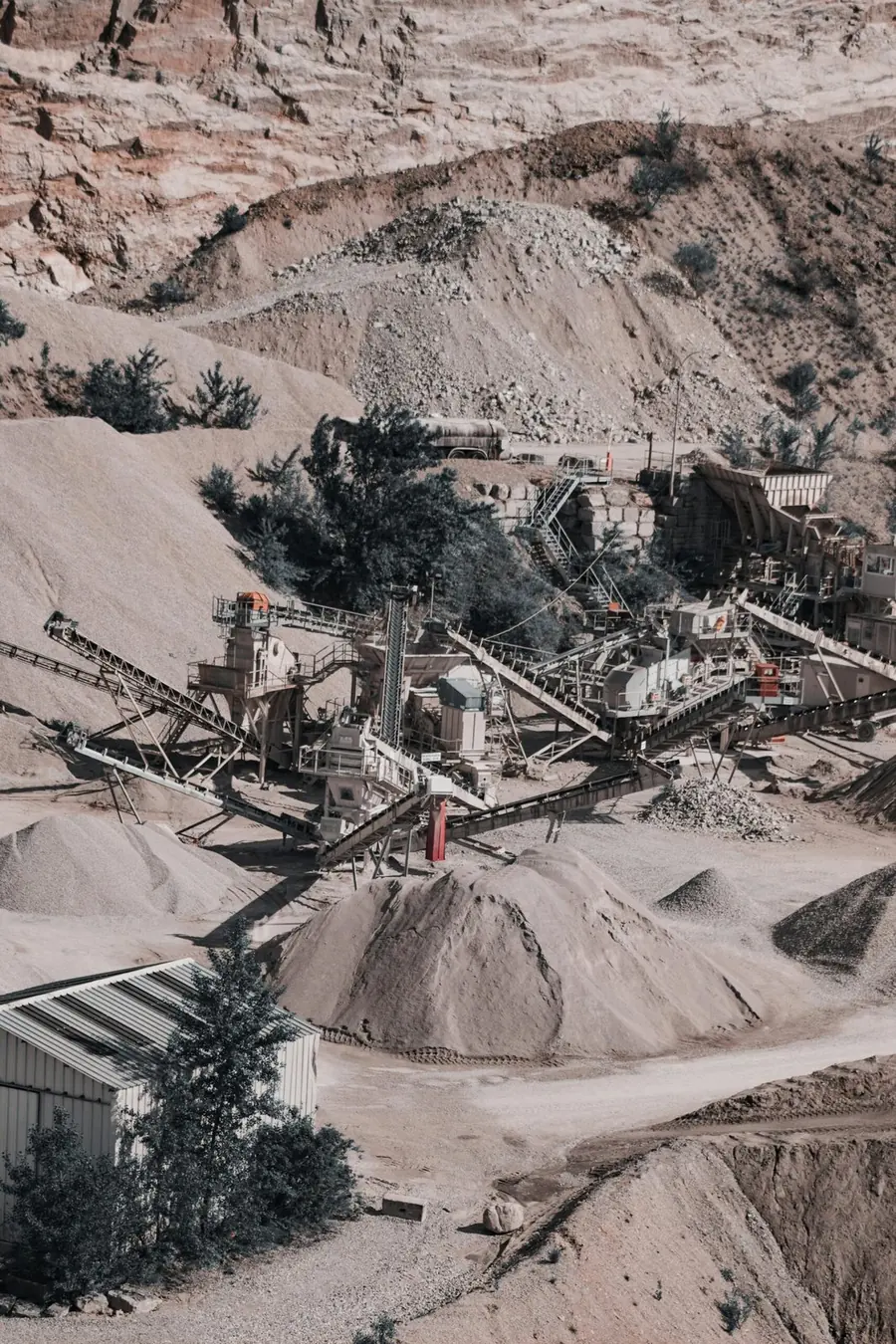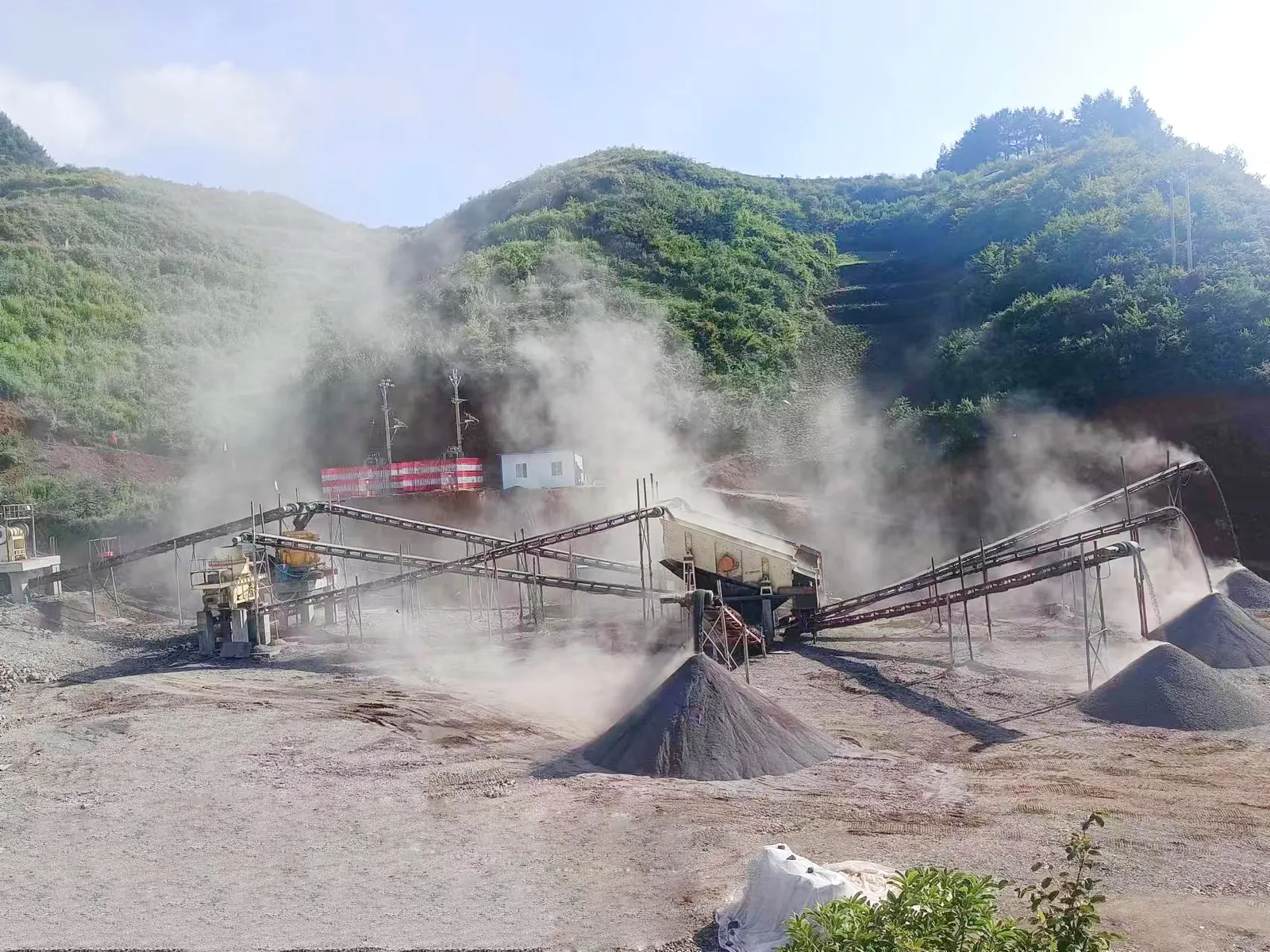
Process configuration
Recycled aggregate from demolition concrete, brick and asphalt.
| Stage | Equipment | Function |
|---|---|---|
| Feed | Hopper with grizzly and soil-removal screen | Separation of soil and fines before crushing |
| Primary | RC jaw crusher | Reduction of concrete and brick to 0 – 80 mm |
| Iron removal | Over-belt and head-pulley magnets | Recovery of reinforcement and scrap |
| Secondary | RNP impact crusher | Liberation and shaping of recycled aggregate |
| Screening | YA screen, 3 – 4 fractions | 0–5, 5–10, 10–20, 20–31.5 mm recycled aggregate |
Design notes
Built for variability
Throughput and setting are set for the worst material in the feed, not the average, so a load of reinforced concrete does not stop the line.
Metal recovery
Two-stage magnetic separation after the primary and secondary stages recovers reinforcement as scrap and protects the impact crusher from tramp metal.
Deployment
Wheeled, tracked or modular configurations are all used in this application; the choice follows the number of disposal sites and the life of the contract.
Dust and light fraction
Water spray, enclosures and an optional air separator for light material (wood, plastic, paper) where the recycled aggregate has to meet a specification.