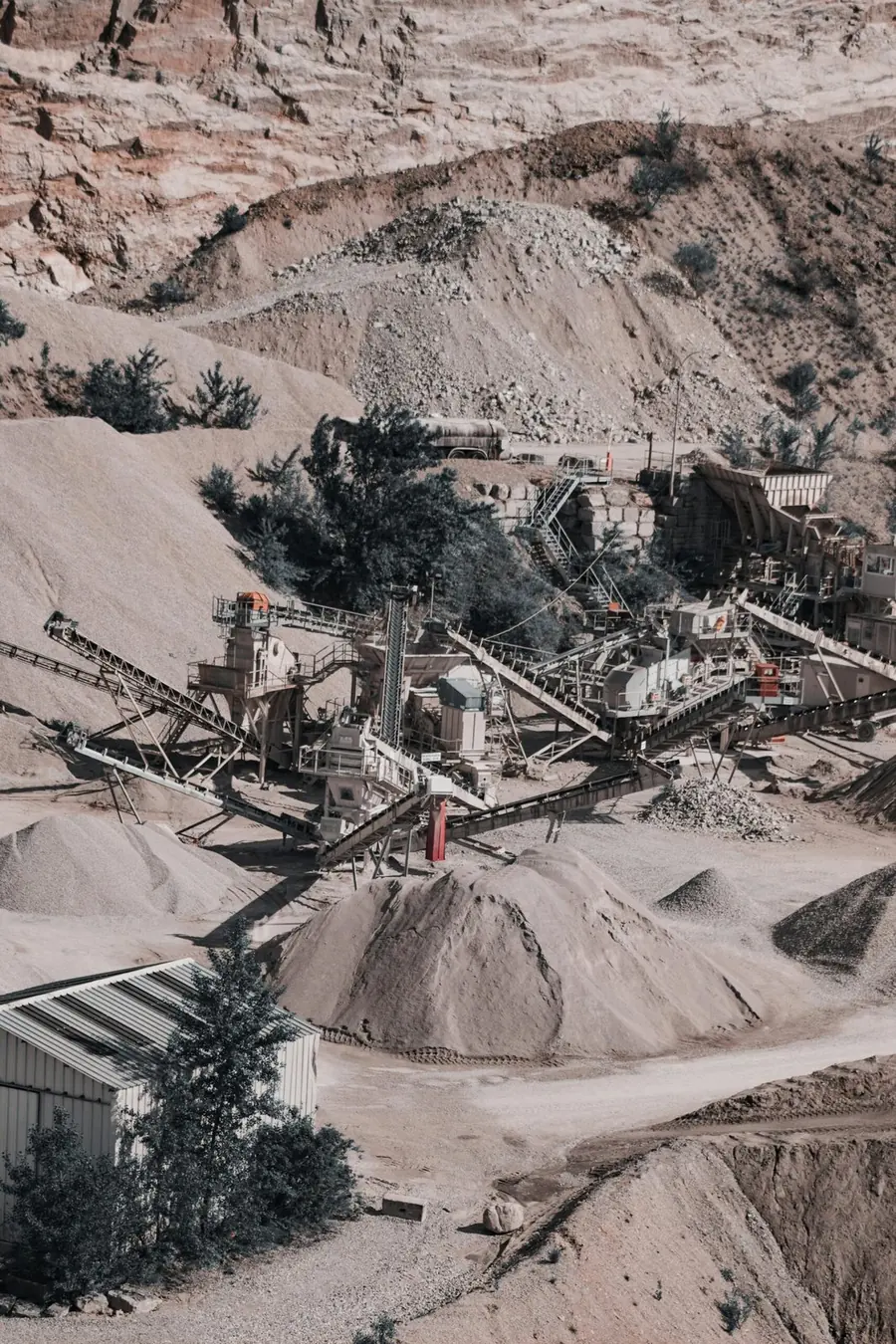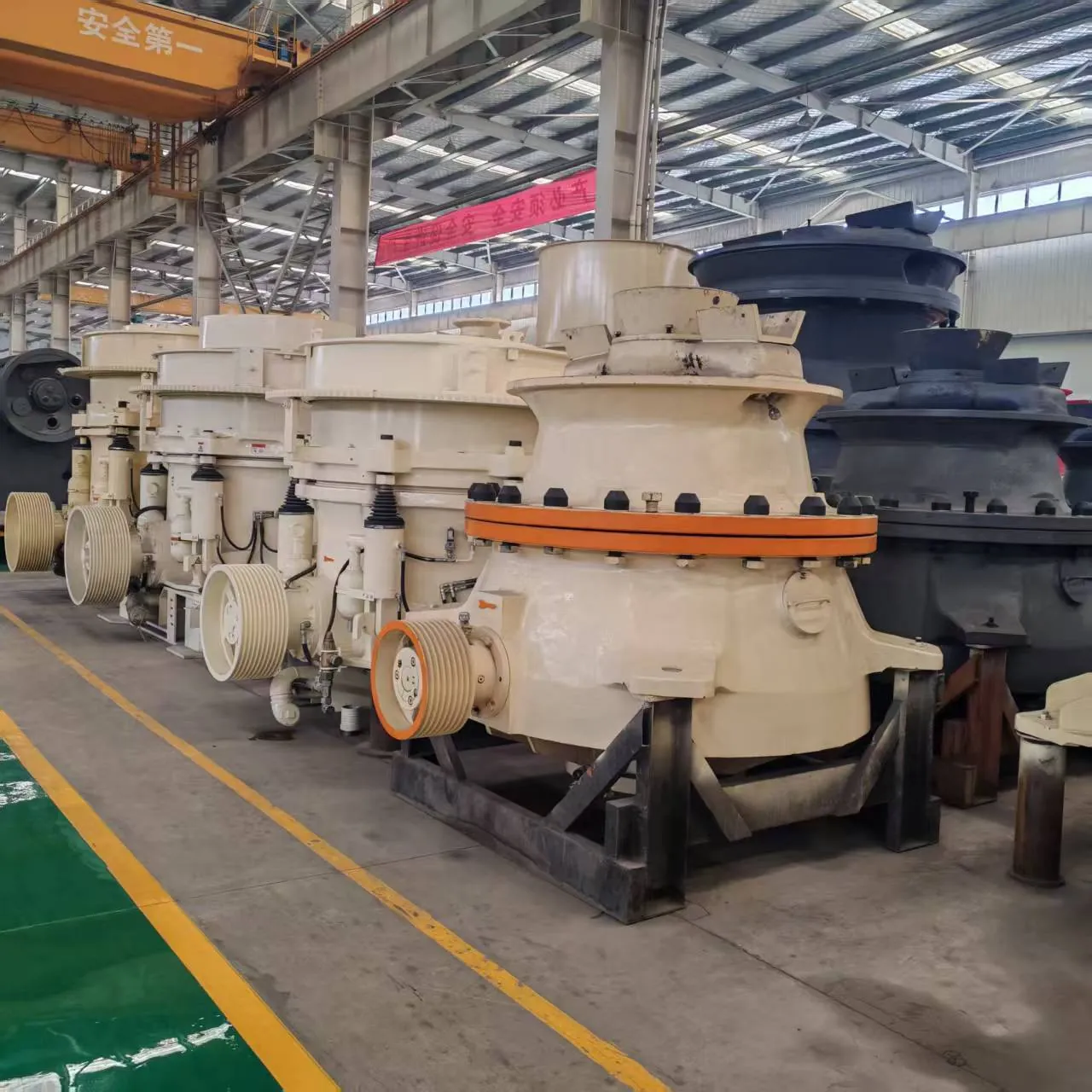
Process configuration
Steel modules finished in the workshop and bolted on site.
| Stage | Equipment | Function |
|---|---|---|
| Feed module | Receiving hopper, ZSW feeder, grizzly | Buffered, pre-screened feed |
| Primary module | RC jaw or RNP impactor on steel frame | Coarse reduction |
| Secondary module | RHP cone or RNP impactor with screen | Closed-circuit reduction |
| Screening module | YA screen on steel structure with chutes | Product separation |
| Conveying module | Pre-engineered belt bridges and stockpile belts | Transfer and stockpiling |
Design notes
Workshop completion
Mechanical assembly, wiring and no-load running are completed before dispatch, so site work is limited to foundations, bolting and connection.
Standard layout
Module dimensions and interfaces are standardised, which keeps spare-part and expansion planning predictable across projects.
Expandable
Additional screening or sand-making modules can be added later without rebuilding the primary structure.
Fixed-plant performance
The modular arrangement retains the capacity and availability of a stationary plant while avoiding the construction period of a civil structure.