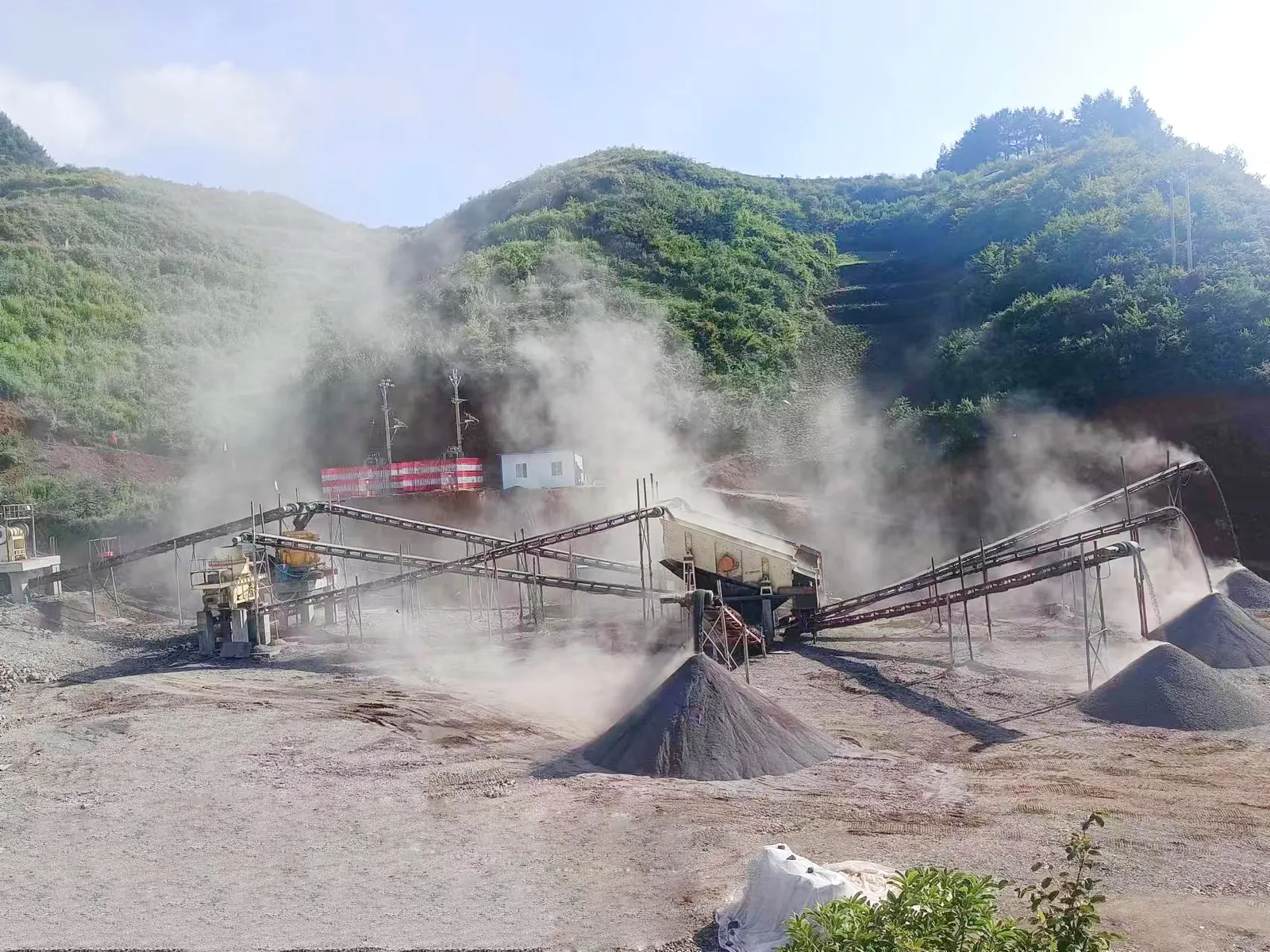
Engineering Approach
Two ways to define
a plant.
By structure — how the plant is built and how often it moves. By material — which reduction principle the rock allows. Both routes end in the same deliverable: a stage-by-stage circuit with specified equipment.
By Plant Configuration
How the plant is built
Five structural approaches to the same process. The choice is set by site tenure, transfer frequency, civil works budget and the required service life — not by tonnage alone.
Standalone Machine Selection
Single-unit sizing against feed gradation, product spec and duty cycle
Process & equipment 02Wheeled Crushing & Screening Stations
Semi-mobile stations towed between pits on their own chassis
Process & equipment 03Tracked Crushing & Screening Plants
Full-hydraulic crawler units working at the quarry face
Process & equipment 04Modular Crushing & Screening Plants
Steel modules finished in the workshop and bolted on site
Process & equipment 05Civil & Steel-Structure Fixed Plants
Maximum capacity and service life for long-term quarry operation
Process & equipmentBy Material & Process
How the circuit is configured
Rock type decides the reduction principle. Abrasion and compressive strength determine whether the circuit is built on lamination or impact, and how many stages are required to reach the product spec.
Hard Rock Crushing
Basalt, granite, river stone, andesite and other abrasive rock
Process & equipment 07Soft Rock Crushing
Limestone, dolomite, coal gangue, gypsum and other low-abrasion rock
Process & equipment 08Construction & Demolition Waste Recycling
Recycled aggregate from demolition concrete, brick and asphalt
Process & equipment 09Metallurgical Slag Recovery
Steel slag, converter slag and stainless slag processing
Process & equipment
Selection support
Not certain which
circuit fits?
Send the material type, feed gradation, required fractions and site conditions. Our engineers return a stage-by-stage configuration with the equipment list and installed power.